September 2019, senior students from Geospatial Information Science and Technology College had their last fieldwork in Wild Duck Lake National Wetland Park.
The wild duck lake is located in the northwest of Yanqing District in Beijing, belonging to the transition zone from north China plain to Shanxi plateau and Inner Mongolia plateau. The total area is 3939 hectares. It is the largest wetland nature reserve in Beijing and the only wetland bird nature reserve.
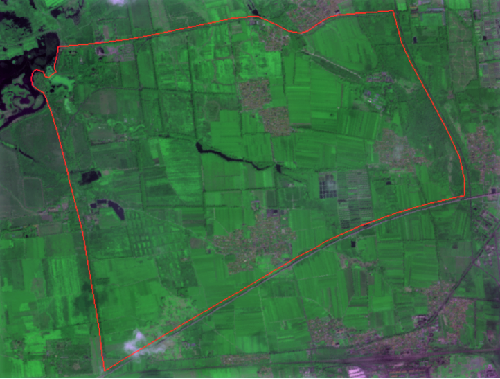
Figure 1. remote sensing image of the wild duck lake research area on Gaofen-2 satellite
The main purpose of this fieldwork is as follows: in terms of theoretical study, it consolidated the basic theory, basic knowledge and basic experimental skills of 3S comprehensive technology, able to apply 3S technology to solve practical problems.At the same time, cultivate and exercise students’ ability to carry out practical work in the field, and lay a foundation for the future application and field development.
The method of this fieldwork is also fundamentally different from the previous one, in the previous one. In the previous fieldwork, a course teacher would lead you to the field practice every day and teach you the research content of the fieldwork while walking. However, in this fieldwork, the teacher will us how to use the experimental equipment and know some typical wetland plants on the first day. In the following days, each team needs to arrange its own itinerary, plans the fieldwork route and studies the experimental content. In this process, students' collective action ability and professional knowledge reserve in three years will be greatly exercised. And in the evening of each day there will be a summary report of each group, reflecting the day's schedule and problems.
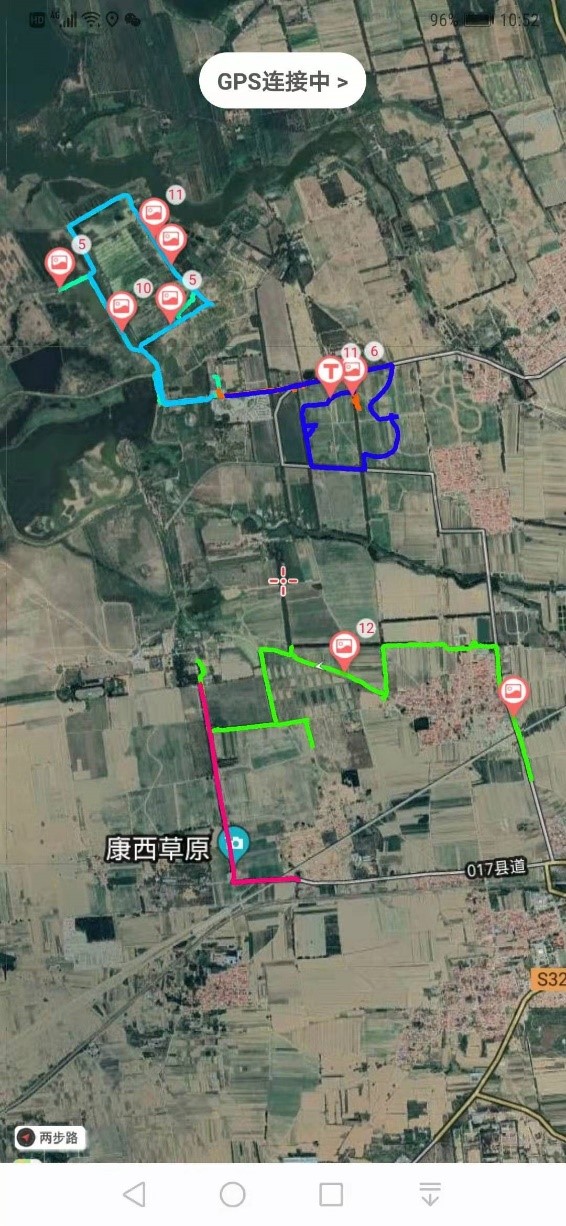
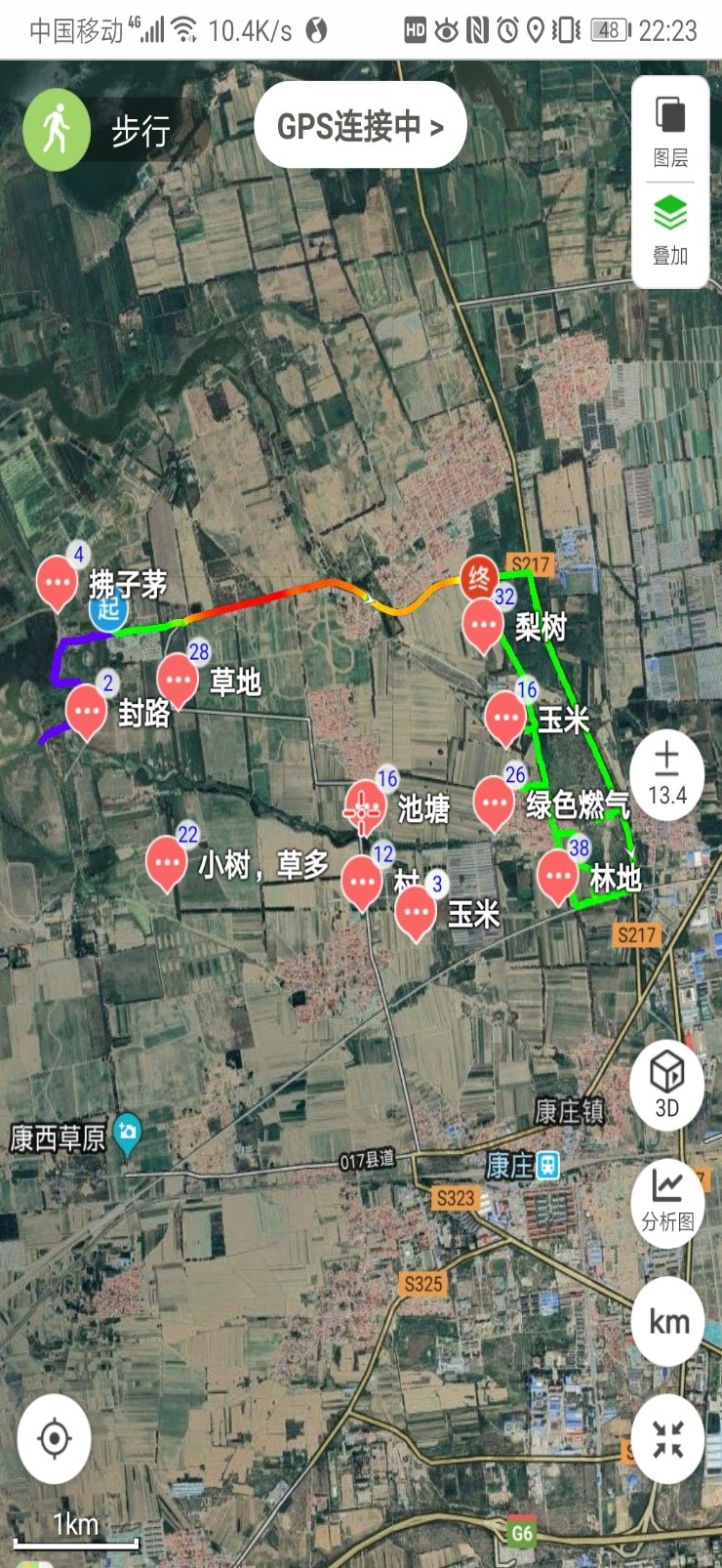
Figure 2 land use type survey route
At the end of the fieldwork, each group will make an interim report and complete a professional fieldwork report within a month. Of course, do not think that the leading teacher did not do anything, we are very grateful for the enthusiastic guidance from GONG Zhaoning, LI Jiacun and several graduate students senior. In the fieldwork we help each other, work together to achieve the goal. Even on the last day of the wild duck lake, the teachers arranged a sumptuous dinner for us, which really touched us.
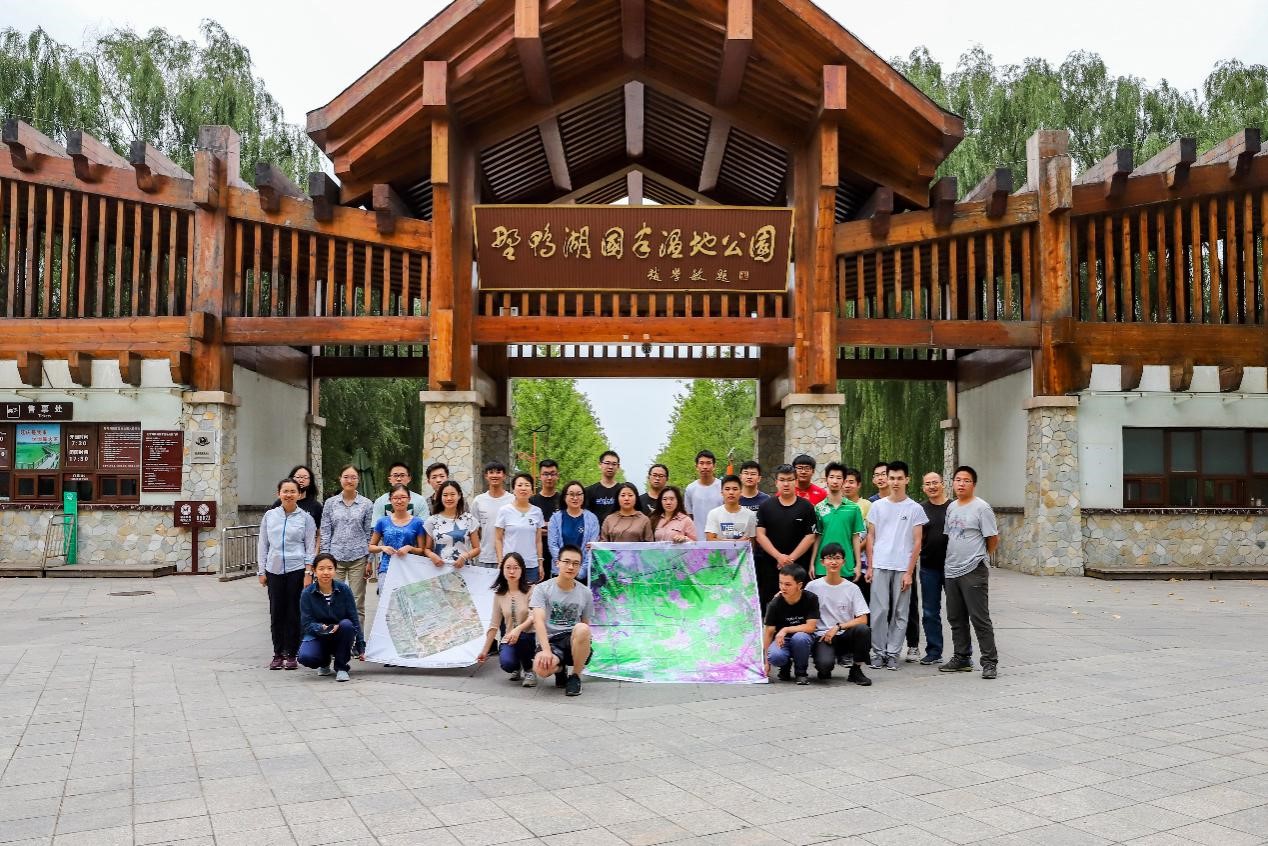
All in all, these days are tough, but these valuable lessons will help us in 3S applications in the future. In particular, I have a very deep understanding of how to propose problems and how to solve problems. I have new experience in the application and development of 3S integration, which is beneficial.
——ZHAO Yu (赵宇), 2016 Remote Sensing Class
